Foods to Avoid During Gum Disease Treatment Recovery
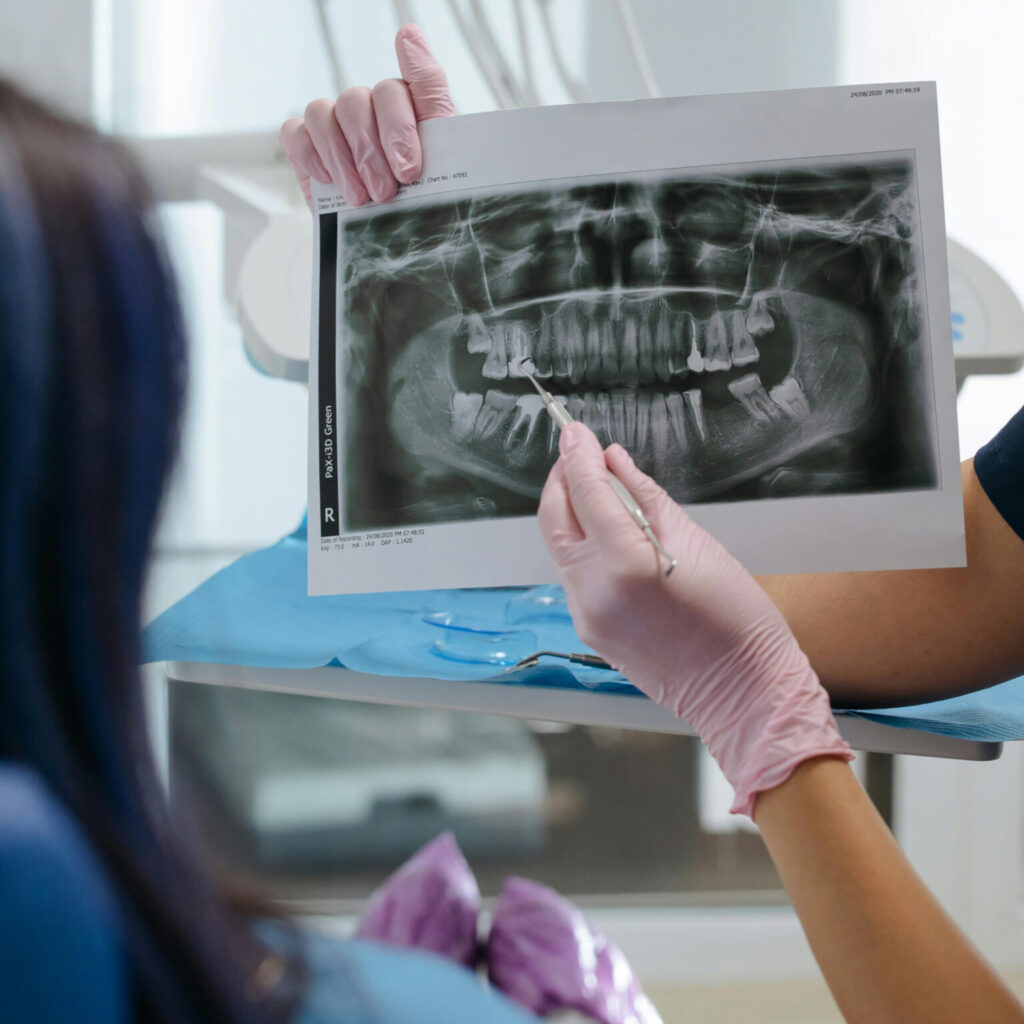

Recovering from gum disease treatment is rarely just about brushing more carefully or remembering a rinse. Food matters, often more than patients expect. The mouth is healing tissue, not just a set of teeth, and what feels harmless on an ordinary day can be surprisingly irritating after deep cleaning, scaling and root planing, flap surgery, laser therapy, or other forms of Gum Disease Treatment.
Most people focus on what they are allowed to eat, which makes sense. Yogurt, eggs, soup, oatmeal, mashed vegetables, soft fish, and smoothies usually get plenty of attention. What tends to cause setbacks are the foods people underestimate. A crusty piece of bread can scrape a tender gumline. A handful of chips can lodge sharp fragments into healing pockets. A very hot coffee can prolong soreness in tissue that is already inflamed.
The goal during recovery is not perfection. It is to reduce irritation, avoid disrupting the healing process, and give your gums the calmest environment possible for several days to a couple of weeks, depending on the procedure. The exact rules vary by treatment and by patient. Someone who had a routine deep cleaning may need only a short period of caution. Someone recovering from gum surgery may need a more careful diet for longer. Still, the broad principles stay remarkably consistent in real clinical practice.
Why food can make recovery easier or harder
Gums heal best when they are left undisturbed. After treatment, the tissue may be swollen, more sensitive to temperature, easier to bleed, and more vulnerable to mechanical trauma. If your treatment involved instrumentation below the gumline, your tissues may also feel bruised or raw even if nothing looks dramatic in the mirror.
Certain foods interfere with healing in obvious ways. Hard or sharp foods can physically injure the gums. Sticky foods can cling to teeth and along the gumline, making oral hygiene harder when brushing and flossing are already uncomfortable. Highly acidic foods can sting exposed root surfaces. Very sugary foods do not directly cause an infection overnight, but they do create a less favorable environment if plaque control slips during recovery.
There is another, less discussed issue. Many patients chew differently after treatment, usually without realizing it. They favor one side, take smaller bites, or let food sit in the mouth longer because chewing feels awkward. That can make troublesome foods even more problematic. A cracker that would normally pass through your mouth without issue can break into rough fragments and press into tender areas when your bite is tentative.
The first 24 to 72 hours are usually the most important
That early window matters because the tissues are at their most reactive. If you have had a deep cleaning, your gums may be sore and may bleed a little with brushing. If you have had sutures or a periodontal dressing, protecting the area becomes even more important. During this phase, even foods you normally consider healthy can be poor choices simply because they are too rough, too hot, or too chemically aggressive.
Patients often tell me they thought they were making a good decision by eating toast, granola, trail mix, or a big salad after treatment because those foods seemed lighter than a heavy meal. Unfortunately, those are some of the most common culprits behind extra tenderness. Healing gums prefer soft, bland, lukewarm foods at first. Once the soreness settles, choices can widen.
Hard and crunchy foods are usually the first to avoid
Crunchy foods cause trouble because they do two things at once. They create pressure during chewing, and they break into edges or fragments. That combination is exactly what sore gums do not need.
Think about the texture of tortilla chips, popcorn hulls, pretzels, crusty bread, nuts, seeds, crackers, granola, raw carrots, and crisp apples. None of them are inherently unhealthy. During recovery, though, they can scrape, wedge, poke, and get trapped. Popcorn is particularly notorious. Even a tiny hull can become lodged near the gumline and make one isolated area feel inflamed for hours.
Crusty bread surprises people. Soft white bread is often tolerated, but a baguette or artisan loaf with a hard crust can act almost like a blunt tool against delicate gum tissue. The same goes for pizza crust, especially if the edge is dry or charred.
If you have had surgery, hard foods can do more than irritate. They can disturb a clot, aggravate a graft site, or put stress on stitches. It does not take a dramatic injury to slow healing. Repeated small insults are enough.
Spicy foods can turn mild soreness into real discomfort
Spicy food is not always dangerous, but it is often miserable when gums are healing. Chili peppers, hot sauces, strong curries, and heavily seasoned snacks can create a burning sensation in tissue that is already inflamed. Patients who normally love heat are often caught off guard by how intense it feels after treatment.
This is not just about preference. When gums are tender, irritation can make eating less comfortable, which leads some people to eat too little or avoid drinking enough fluids. Neither is ideal for recovery. If you are already taking antibiotics or anti inflammatory medication, adding foods that aggravate the mouth can make the whole experience feel harder than it needs to.
A practical rule is simple: if it would sting a paper cut, it may sting healing gums. You do not need to eat bland food forever, but the early recovery period is not the best time to test your tolerance.
Acidic foods and drinks can be rough on exposed areas
Gum disease treatment often leaves root surfaces temporarily more exposed, especially after deep cleaning when swelling begins to go down. That can make acidic foods and beverages feel sharper than usual. Citrus fruits, orange juice, lemonade, tomatoes, vinegar heavy dressings, sports drinks, and many sodas can trigger sensitivity or stinging.
This is especially common in patients who already had recession before treatment. The gum tissue may be less swollen after the procedure, which is a good sign, but it can reveal more of the root surface in the short term. The result is often a sudden awareness of temperature and acidity.
Tomatoes are one of the more overlooked triggers. A soft bowl of tomato soup may seem comforting, but if it is very hot and acidic, it can be more irritating than a mild cream soup. Salad dressings are another sneaky source. A supposedly gentle meal can become uncomfortable because the vinaigrette burns along the gumline.
Extremely hot foods and drinks deserve caution
Temperature matters more than most people realize. Very hot coffee, tea, soup, or reheated leftovers can increase discomfort and may aggravate fresh treatment sites. Warm is usually fine. Piping hot is where trouble starts.
There is a practical reason to be careful here. After anesthesia wears off, patients often overestimate what their mouth can tolerate. They are hungry, they want something soothing, and they take a sip or spoonful too soon. Heat on recently treated gums can feel much harsher than expected.
Cold foods are more individual. Some people find cool yogurt or a chilled smoothie soothing. Others, especially those with root sensitivity, find cold painful. There is no universal rule beyond this: choose mild temperatures and adjust based on your own response.
Sticky and chewy foods create their own set of problems
Sticky foods cling to tooth surfaces and can be difficult to clear away gently. Caramel, taffy, gummy candies, dried fruit, chewy granola bars, and thick nut butters can all become annoyances when brushing thoroughly is uncomfortable.
Chewy foods are a separate issue. Bagels, tough meats, dense sandwich rolls, and certain protein bars require more force than healing gums appreciate. Even if these foods do not directly injure the gums, they can make your jaw work harder and place pressure on sore areas, especially if you have localized tenderness from scaling below the gumline.
Dried fruit deserves special mention because it often gets a health halo. Raisins, dates, and apricots are not harmless during recovery simply because they come from fruit. They stick, they sugar coat the teeth, and they are not easy to clean off if you are being gentle around tender tissue.
Small particles are often more irritating than big bites
Some of the most frustrating foods are not hard or spicy. They are simply messy. Rice, quinoa, sesame seeds, chia seeds, shredded coconut, and finely chopped nuts can scatter into every crevice of the mouth. In a healthy mouth that is not a huge problem. After Gum Disease Treatment, those tiny particles can settle along the gumline or near a healing pocket and stay there.
Patients recovering from periodontal surgery notice this quickly. One tiny seed trapped near a suture line can feel enormous. Even after a non surgical deep cleaning, small particles can make the mouth feel dirtier, which is discouraging when you are already trying to keep the area clean without being too aggressive.
This is why smoothies can be helpful, but only if they are blended smooth. A berry smoothie full of raspberry seeds may not be the best early recovery choice, while a banana yogurt smoothie usually goes down without trouble.
Foods and drinks high in sugar are worth limiting, even if they feel easy to eat
Soft desserts are tempting because they are easy on sore gums. Ice cream, pudding, milkshakes, and sweetened yogurt often feel comfortable, at least in the moment. The problem is not that one serving of pudding will ruin your recovery. The issue is frequency, especially if oral hygiene is temporarily less effective.
Sugary foods feed plaque formation. During recovery, some patients brush less confidently and avoid flossing areas that feel delicate. That is understandable, but it means sugary, sticky, or frequent snacking becomes more consequential. If you choose a sweet food, it is smarter to have it with a meal rather than graze on it throughout the day.
There is also a practical balance to strike. A cold milkshake may feel soothing after treatment, but if it is thick, very sugary, and consumed through a straw when your provider told you to avoid suction, it may not be the best choice. Context matters.
Alcohol can complicate healing more than people think
Alcohol does not fit neatly into a food category, but it belongs in this conversation. Beer, wine, and spirits can irritate tissues, dry the mouth, and interact poorly with certain medications that may be prescribed after treatment. Some mouth rinses and post procedural instructions specifically warn against alcohol for a period of time.
Dry mouth is a bigger issue than many people appreciate. Saliva helps buffer acids, clear particles, and support a healthier oral environment. If your mouth is dry, everything feels a bit harsher, and plaque can build more easily. Add salty snacks or sugary mixers to that dry environment, and the gums are not getting much support.
For many patients, the safest approach is to skip alcohol until the tenderness and active healing phase have passed, especially if surgery was involved.
A short list of foods that commonly cause setbacks
- popcorn, chips, pretzels, and crackers with sharp fragments
- nuts, seeds, granola, and foods that shed small particles
- spicy dishes, hot sauces, and strongly seasoned snacks
- citrus, tomatoes, vinegar heavy foods, and acidic drinks
- sticky candy, chewy breads, dried fruit, and very sugary desserts
What tends to work better while your gums settle down
The easiest recovery meals are usually soft, moist, mild, and not too hot. Scrambled eggs, oatmeal, cottage cheese, soft cooked pasta, mashed potatoes, yogurt, tender fish, applesauce, and blended soups are common favorites because they require little force and leave less residue behind.
Texture matters as much as the actual food. Chicken can be fine if it is moist and finely cut, but a dry grilled breast can be tiring to chew. Fruit can be fine if it is soft, like a ripe banana, but a crisp apple may be too much for a day or two. Even toast can be tolerated later in recovery if it is lightly toasted and not jagged, though many people are more comfortable waiting until tenderness has eased.
One of the better real world strategies is to test progression gradually. Start with foods that need almost no chewing. Then move to soft solids. Then, once you can chew without tenderness or bleeding, reintroduce firmer textures. Patients who rush this process usually learn the same lesson twice.
If you had surgery, be even more selective
Surgical periodontal treatment changes the stakes. If you have had flap surgery, a graft, or sutures placed, food choices should be more conservative and usually for longer. The risk is not just soreness. You are trying to avoid direct trauma to a site that is physically repairing itself.
Patients with gum grafts often find that even a seemingly harmless crust or seed can create days of irritation. It is also common for one side of the mouth to be easier to use than the other. Chewing away from the treatment area is often helpful, but it does not eliminate the need for a soft diet.
Follow the instructions from your periodontist first, even if they differ slightly from general advice. The details of your procedure matter. Some patients can resume a more normal diet within several days. Others need one to two weeks of real caution. If you are not sure where you fall, ask directly rather than guessing based on how the area looks.
Signs that a food was too much, too soon
Your mouth usually tells you when you pushed the diet too far. Increased soreness after meals, fresh bleeding, a feeling that something is stuck near the gumline, renewed swelling, or a sharp sting with chewing are all signs to scale back. That does not automatically mean something is wrong, but it does mean your tissues want gentler treatment.
A common pattern is feeling decent in the morning, trying to eat something crunchy at lunch, then noticing the gums throb by evening. In that case, the fix is often simple. Return to softer foods for another day or two, keep the area clean according to your instructions, and give the tissue more time.
If pain is worsening rather than improving, bleeding is persistent, swelling is increasing, or you suspect food is trapped near a surgical site and you cannot remove it safely, contact your dental office. It is better to ask early than to keep poking at the area.
Practical judgment matters more than rigid rules
No recovery diet can be reduced to a single perfect menu because treatment types, pain tolerance, and baseline oral health vary. Someone with mild sensitivity after scaling and root planing may tolerate soft pasta the same evening. Someone else may find even scrambled eggs uncomfortable for a day. Both experiences can be normal.
The best approach is to think in terms of stress on the gums. Does this food scrape, sting, stick, scatter, or require forceful chewing? If the answer is yes, save it for later. That simple filter is more useful than memorizing dozens of approved and forbidden items.
A simple way to make meals safer during recovery
- let hot foods cool to lukewarm before eating
- cut food into smaller pieces so you chew less aggressively
- choose moist preparations over dry ones, such as poached fish instead of crispy fried foods
- rinse gently with water after eating if particles tend to linger
- reintroduce crunchy or spicy foods only after tenderness and bleeding have clearly eased
Healing after Gum Disease Treatment is rarely derailed by one dramatic mistake. More often, recovery gets dragged out by small daily irritations that seem harmless in the moment. A rough snack here, a hot coffee there, a spicy dinner because you were finally hungry again. If you keep meals soft, mild, and easy to manage while the gums settle down, you give the treatment a better chance to do what it was meant to do: https://cashcbsw028.theburnward.com/the-link-between-nutrition-and-gum-disease-treatment-recovery reduce inflammation, help tissues heal, and put you on steadier ground for long term gum health.
Dental Group Of Beverly Hills
Address: 8641 Wilshire Blvd #125, Beverly Hills, CA 90211
Phone number: +13109296335
FAQ About Gum Disease Treatment
How to improve gum health quickly?
To improve gum health quickly, eliminate plaque buildup by brushing for two full minutes twice a day at a 45-degree angle to the gumline. Floss daily to clean under the gumline, and rinse with an antimicrobial, alcohol-free mouthwash. For immediate relief of soreness, use a warm saltwater rinse.
What is the fastest way to cure gum disease?
To quickly cure early-stage gum disease (gingivitis), eliminate the plaque buildup causing the inflammation. Brush gently but thoroughly for two minutes twice daily, floss daily, and use an antibacterial mouthwash or a warm saltwater rinse. However, if tartar has hardened, professional treatment is necessary.
How do I treat my gum disease at home?
You can treat early gum disease at home by practicing strict daily oral hygiene, rinsing with salt water or antibacterial mouthwash, and quitting smoking. True gum disease (especially advanced forms like periodontitis) cannot be fully cured at home once tartar forms, and you must see a dentist for professional cleanings.